Think about a time at work when you had to make an important judgment call. Maybe a client sent an email that was clearly wrong, and you had to decide whether to correct them immediately or pause and consider the consequences. Maybe a colleague made a mistake that could affect a project, and you had to decide whether to raise it, how to raise it, and when. Perhaps you were asked to make a recommendation with incomplete information, or you had to decide whether to trust your instincts when the data seemed to point in another direction.
These moments rarely come with clear instructions. They require you to assess the situation, weigh competing considerations, anticipate consequences, draw on experience, and decide. Sometimes you get it right and sometimes you get in wrong; however, the only way you get better is by reflecting on what happened and learning from the outcome.
Until now, organizations haven’t really had to think much about judgment as a skill. Today, AI is forcing organizations to think much more deeply about what judgment is and how people develop it. Judgment is a complex topic, and many organizations don’t know where to start. The goal of this article is to start with the basics: what is judgment and how can it be developed?
What is judgment?
I used to think of judgment as a gut instinct or a feeling that developed over time to produce an insight or to recognize a pattern that others overlooked. While that may be part of it, my favorite definition of judgment comes from Sir Andrew Likierman, a professor at London Business School who has studied the skills and behaviors that create the conditions that allow judgment to bloom. He defines judgment as “the ability to combine personal qualities with relevant knowledge and experience to form opinions and make decisions.” Specifically, there are key practices that you can adopt and skills you can cultivate to help inform the judgments you make. I’ve added some TNTs (tiny noticeable things) to help you begin to operationalize these areas.
The six components of good judgment
According to Likierman’s research, there are six elements of good judgment as follows:
Learning: The first component of judgement is learning – accumulating knowledge and understanding patterns. It’s important to consume information accurately, listening to what is said (and unsaid), and pay close attention to facts. This requires active listening. Have you ever been part of a conversation where you find yourself waiting to answer, rather than really hearing what the other person is saying? Many of us listen to win or listen to fix, rather than listen to learn. Simple conversations starters, like “Tell me more about that” can help activate curiosity and a learner’s mindset.
In addition to learning the substantive aspects of their work, junior employees should be learning all aspects of their clients’ industries, preferences, and the things that keep those leaders up at night.
Trusting Relationships: Having a diverse group of people who you can reach out to for advice, opinions, and to observe builds judgment. Your onboarding and mentoring programs are an important part of judgment formation as those are ways in which your employees begin to foster the networks they need. Employees on the edge of the network – those with limited connections – are 2-3 times more likely to quit. Without strong ties, they are often left out of critical conversations, informal support, and growth opportunities – all things that help build judgment.
Experience: Another way people build judgment is by using past context to spot patterns, recognize challenges, and identify potential paths forward. When I practiced law, I knew I had years to build those capacities; now, AI is shortening the runway considerably. Leaders need to introduce team members to their reasoning, negotiation dynamics, difficult client conversations, discussion about strategic tradeoffs, post-matter reflection, and escalation decisions. Leaders must now “show their work” in these areas far sooner.
Many leaders are experimenting with technology driven simulations (great when the stakes are high or dangerous – think healthcare and the military) to help build judgment, but there are other ways to help your team gain experience. One way is to encourage reflection. An after-action review is a common method of debriefing that originated in the military but is widely used in the business world today. Here are some questions you (and your team) can consider:
- What was the intended outcome?
- What was the actual outcome?
- Went went well?
- What would I/we do differently?
Even though you may be new to a role, you’ve undoubtedly had to make judgment calls about other things in your life. I recently had to wrestle with whether to tell a valued client that I had a poor experience with someone internal to their organization. I thought about other difficult conversations I had in the past, and I decided that it did not make sense to bring it up right now. Think about those past experiences to identify what worked and what didn’t.
In addition, secondments, volunteering for committees, asking senior leaders about their work, asking to be part of an important deal, and talking to the business professionals in your workplace to learn more about how the organization thinks about technology, finance, or operations are all other ways to gain experience.
Detachment – Know Your Roadblocks: Another aspect of judgment is understanding your own icebergs and thinking traps so you can see situations clearly. Icebergs are your core values and beliefs about the way you think the world should operate, and they can interfere with your ability to see a situation accurately. I also call them your “rules.” Your rules often include the words “always,” “never,” or “must.” Some examples of icebergs include, “I always need to be in charge;” “I must have all the answers;” and “strong people don’t ask for help.” Icebergs are often too inflexible to allow you to perform or lead in the way you want.
In addition, you must recognize your thinking traps, like when you might be jumping to conclusions, mind reading, or exhibiting confirmation bias. You also need to be mindful of your own filters and any tendencies that may discourage alternative ways of thinking. Coaching clients often ask me to play devil’s advocate or role play a conversation so they can first practice hearing a dissenting opinion or handling tough emotions.
Options: Judgment calls are rarely black and white. People are often asked to choose between multiple options. What’s important is for you to consider whether there are more options than being presented. For example, doing nothing or delaying a decision until more information is available are other examples of options. In addition, you must factor in the risks associated with novel solutions or radical options, get clear about rules and ethical issues, and surface peoples’ stakes in the outcome. Leaders will include junior team members into their thought process here.
Delivery: Finally, good judgment requires careful thought about how a decision will be executed, including the real-world risks of implementation. One way to help facilitate delivery is to conduct a premortem. A premortem is a chance for a team or group to discuss ways a course of action might fail so they can surface and address problems before they happen.
In its simplest terms, building judgment follows this process:
- You’re given new responsibilities that stretch you;
- You make an effort;
- You succeed or fail and get some feedback; and
- You learn from that experience.
As AI takes over more work, entry-level roles are losing more of the messy, formative tasks that once served as judgment training grounds. In an AI-enabled workplace, judgment is something organizations must deliberately teach, practice, and develop, and the time to start is now.
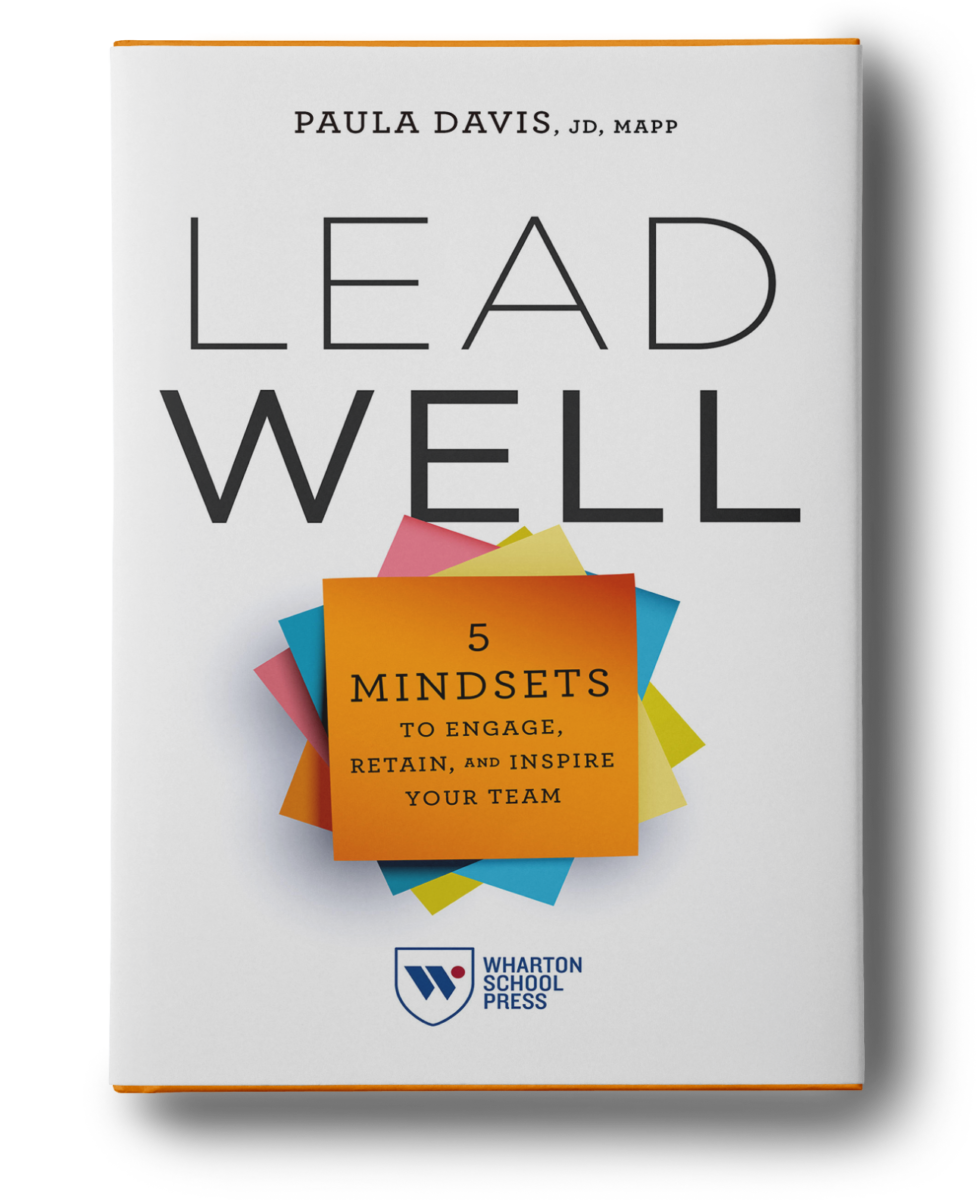
Paula Davis translates organizational science into practical leadership and team tools for AI-enabled workplaces. She is the author of two books including her latest, Lead Well: 5 Mindsets to Engage, Retain, & Inspire Your Team, which was selected as a top leadership book of 2025 by the Next Big Idea Club.